



WORKING TOGETHER

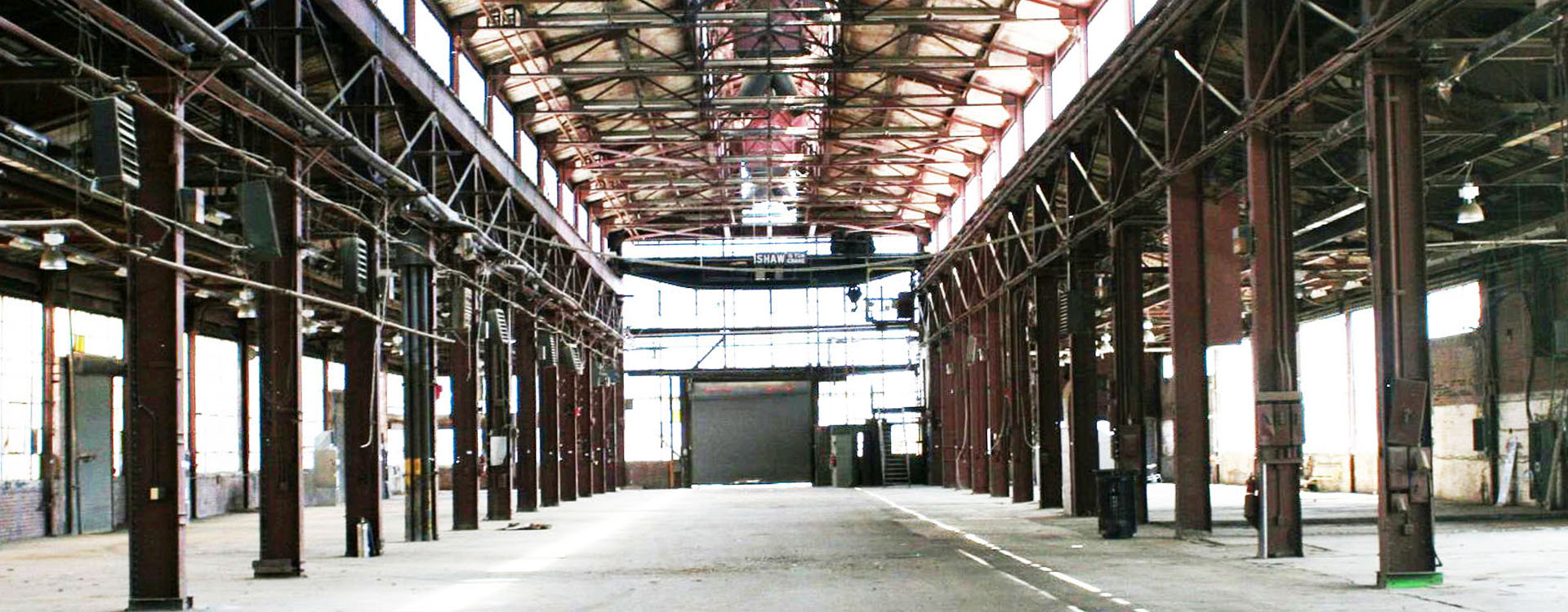
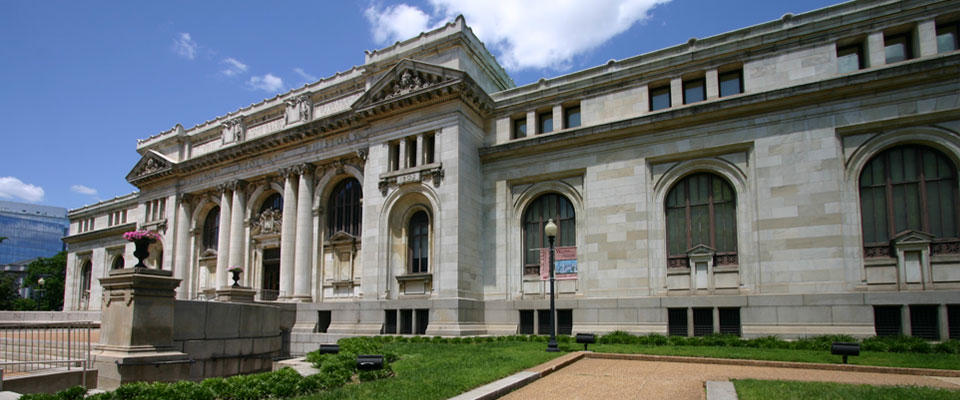
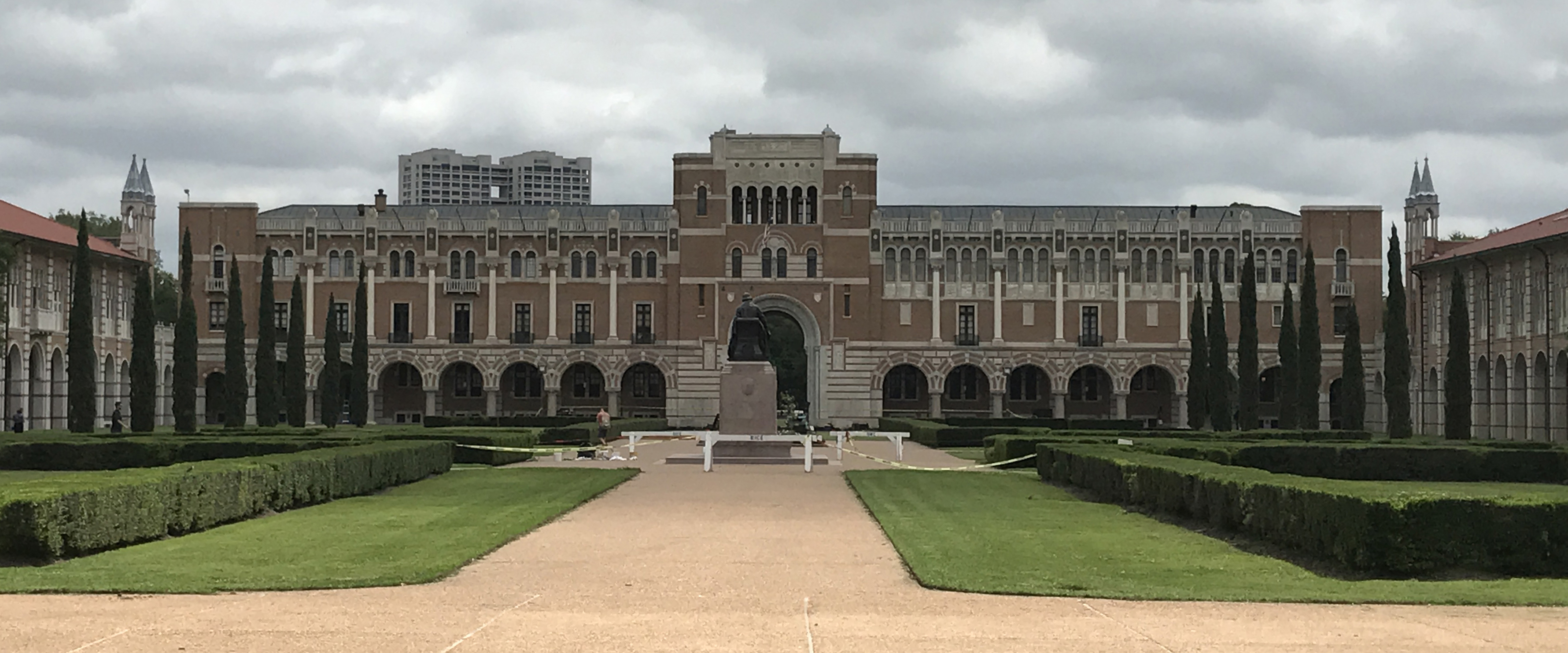
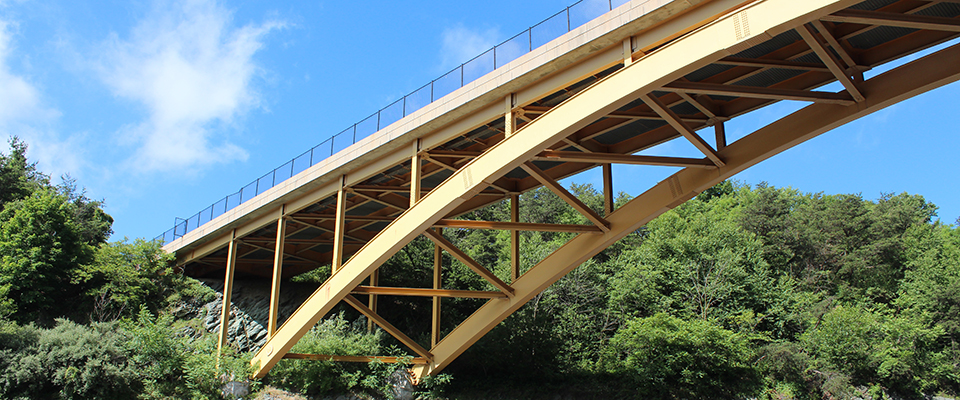
Whether you are dealing with a late eighteenth-century farmstead, a nineteenth century university library, an early twentieth century movie theater, or a Mid-Century Modern office building, our research and consulting team works collaboratively with multi-discipline project teams to ensure that historic preservation is a successful component of the project. From individual building rehabilitations to large-scale master plans, we are an integral member of a project team, contributing sound understanding of the issues of historic significance and preservation compliance. We are fluent in the national criteria used for evaluation of historic significance and integrity and our staff has authored determinations of eligibility and nominations for the National Register of Historic Places that cover thousands of resources. EHT Traceries is a nationally recognized authority in the documentation and evaluation of historic and cultural resources and the application of the Secretary of the Interior Standards and Guidelines for the Treatment of Historic Resources. We work throughout the United States and abroad.


What is preservation planning and why is it important for historic buildings?

Preservation planning is the process of evaluating a historic property and developing strategies to protect its architectural integrity while allowing it to remain functional. It helps property owners, institutions, and municipalities make informed decisions about maintenance, rehabilitation, and long-term stewardship while complying with preservation standards.

How do historic tax credits work for rehabilitation projects?

Historic tax credits are financial incentives offered by federal and state governments to encourage the rehabilitation of historic properties. To qualify, projects must meet established preservation standards and receive certification through the Historic Preservation Certification Application process. Professional guidance helps ensure the project meets eligibility requirements and maximizes available tax benefits.

What types of projects require historic resource survey and documentation?

Survey and documentation services are often required for preservation planning, regulatory compliance, grant applications, environmental review, and historic designation efforts. These studies identify and evaluate historic and cultural resources, providing accurate records and recommendations for their preservation.

Can historic buildings be made more energy efficient without damaging their character?

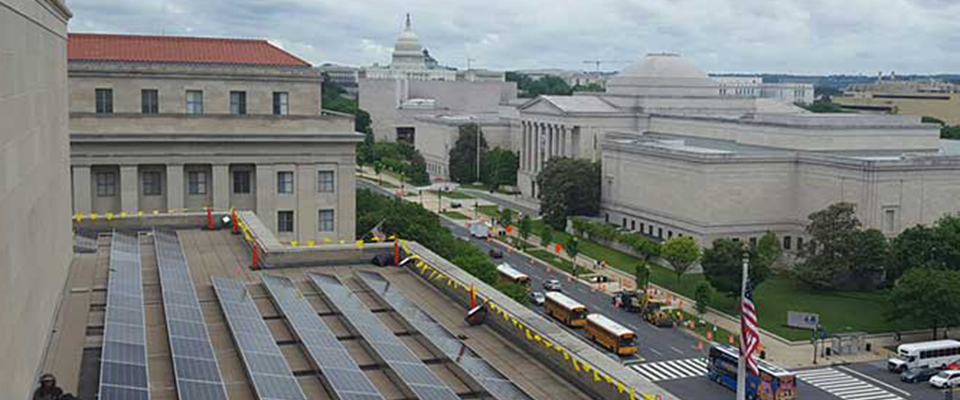
Yes. Sensitive retrofitting and rehabilitation strategies can improve energy performance while maintaining a building’s historic character. Approaches may include improving insulation, upgrading mechanical systems, enhancing window performance, and integrating sustainable design features that respect the original materials and architecture.